Panels - ATF Türkiye
Antalya Tourism Fair 2027 Explore all the details by visiting our website! Redefining Global Tourism The Future of Tourism Vision in Antalya Discover more about our vision
ATF26 SPECIAL SESSIONS

PANELS AND TALKS

Day 1 THE NEW ORDER OF TOURISM October 26, 2026 · Monday
11:00 – 12:15 We are meeting for Türkiye in the heart of tourism: ATF 26 Opening
Selçuk Meral Founder & Chairman · ATF Speaker
Sezgin Yılmaz Deputy General Manager · Türkiye İş Bankası Speaker
Kaan K. Kavaloğlu AKTOB President · TÜROFED Vice President. Speaker
Davut Günaydın Vice President · TÜRSAB Speaker
Büşra Özdemir Deputy Mayor · Antalya Metropolitan Municipality Speaker
Fikri Ataoğlu Deputy Prime Minister of the TRNC · Minister of Tourism, Culture, Youth and Environment Speaker
Hulusi Şahin Governor · Antalya Governorship Speaker
12:00 – 12:30 Women's Leadership in the Service Sector: “Breaking the Glass Ceiling: Women Leaders in the Service Sector”

How can women in the service sector overcome obstacles in their career journeys to reach leadership positions and guide the next generation of female professionals? ABOUT THE PANEL The service sector, with its dynamic structure built on interpersonal skills, communication, team management, and strong leadership abilities, offers significant career opportunities for female professionals. However, inequalities in opportunity that women face as they advance in their careers, the processes of reaching managerial positions, and the responsibilities they undertake in leadership roles are among the important issues that need to be addressed in the development of the sector. The "Breaking the Glass Ceiling: Women Leaders in the Service Sector" panel brings together the experiences of women who have reached managerial and leadership positions in the service sector by progressing through different career stages. The session will address women's career journeys, managerial experiences, leadership approaches, and the opportunities and challenges they encountered in their professional development processes. Aimed at guiding young female professionals based on the experiences of female leaders themselves, the panel will evaluate topics such as setting career goals, professional development, strengthening leadership skills, and overcoming obstacles. The goal is to share experiences that support the career development of women in the service sector and to inspire the next generation of female professionals. “What experiences and strategies can women leverage to strengthen their leadership journeys and advance their careers in the service sector?” DISCUSSION AND FOCUS QUESTIONS ● What are the key opportunities and challenges women face in their career journeys in the service sector? ● What obstacles hinder women professionals from reaching management and senior leadership positions, and how can these obstacles be overcome? ● What were the most significant challenges you faced in your own career journey, and how did these experiences shape your leadership approach? ● How do the experiences women leaders develop in team management, communication, and decision-making processes contribute to their career development? ● What can organizations do to support women's professional development and strengthen their access to leadership opportunities in the service sector? ● How do mentoring, professional networks, and role models play a role in women achieving their career goals? ● What approaches can help in balancing managerial responsibilities with personal life? ● What skills and experiences should young women professionals prioritize to achieve their management and leadership goals? ● What would be the most important career advice you would give to a woman professional who is just starting her career journey today?

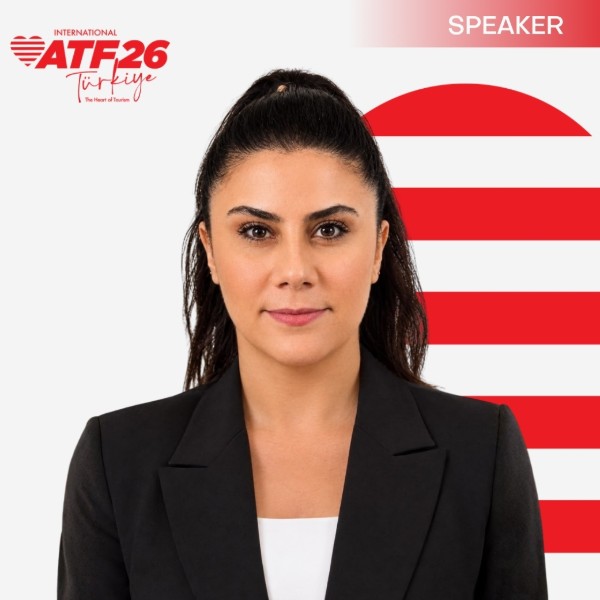
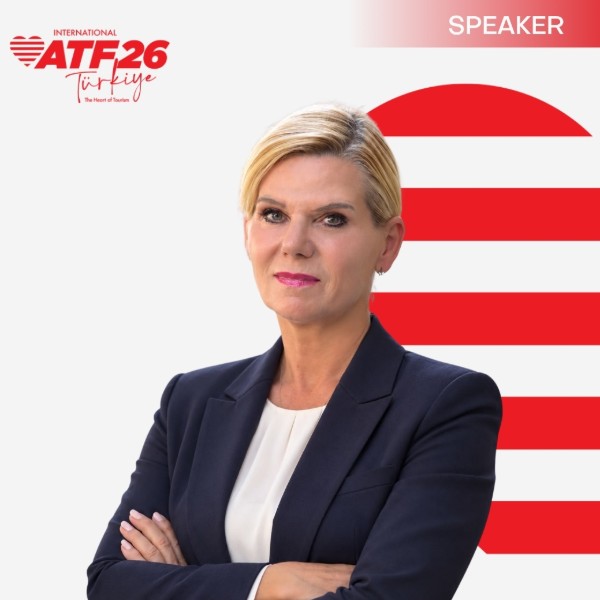
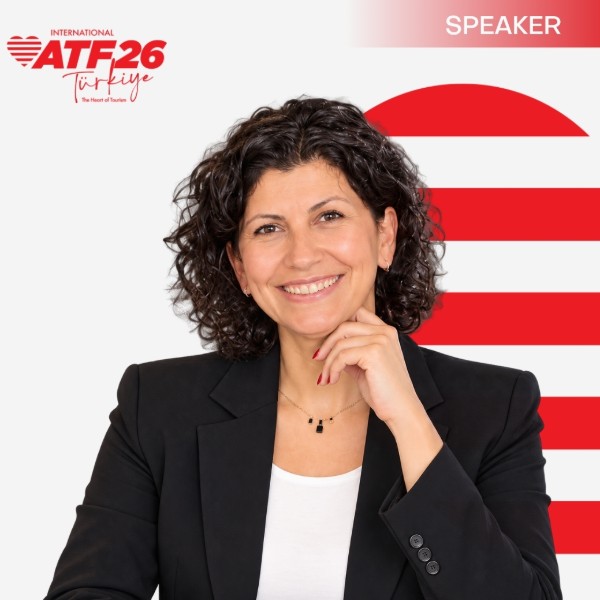
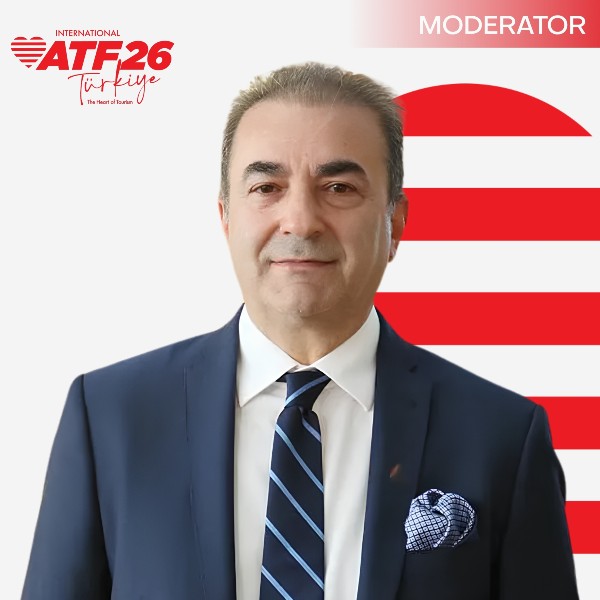
Dilek Ozal Emir Hotels Group HR Manager · INKAY Association Board Member moderator
Mehtap Olcar Steward Manager · The Sense Deluxe Hotel Speaker
Denise Heubi Operations Manager · TUI Blue Xanthe Hotel Speaker
Sema Imren Service Manager · Toyota Bakırcılar Speaker
12:15 – 12:45 Fettah Tamince | The Global Journey of Turkish Tourism

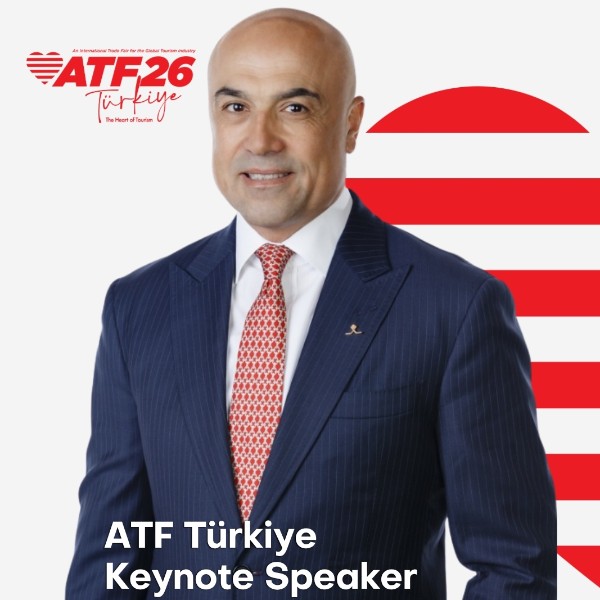
ATF26 KEYNOTE SPEAKER: FETTAH TAMİNCE Keynote speech on the global expansion of Turkish tourism brands, the transformation of resort tourism, and Türkiye's future in global tourism. ABOUT THE PANEL: The rise of Turkish tourism in the international arena will be discussed through the lens of Turkish tourism brands expanding globally, the transformation of resort tourism, and Türkiye's position in the global tourism market. The panel will evaluate factors that increase the global competitiveness of Turkish brands, changing tourist expectations, and new opportunities that will shape the future of the sector. DISCUSSION AND FOCUS QUESTIONS: ● In which areas is development needed for Turkish tourism brands to transform into strong and sustainable brands in global markets? ● What are the most important factors differentiating Türkiye's success in resort tourism on a global scale? ● How has resort tourism transformed in recent years? What do you think the future of the resort model will be like? ● How can we move beyond price and capacity-based competition to strengthen Türkiye's position in world tourism? ● How does the growth of Turkish tourism brands abroad contribute to Türkiye's tourism perception? ● How are the expectations of the new generation of tourists changing tourism investments and the understanding of hotel management? ● What new areas could Türkiye have in which it can become a global player in tourism in the next 10 years? ● How will technology, artificial intelligence, and personalized experiences change the competitiveness of tourism brands? ● What should be done for Türkiye to position itself not just as a destination but as a global tourism brand in world tourism? ● In your opinion, what are the biggest opportunities and the biggest risks in Turkey's global journey in the coming period?

Fettah Tamince Founder and Chairman · Rixos Hotels Speaker
12:30 – 12:50 PALANDÖKEN: WINTER TOURISM

A New Winter Attraction: PALANDÖKEN PANEL ABOUT Palandöken's strong winter tourism potential, changing tourist expectations, and future opportunities in line with its four-season tourism goals will be evaluated. Steps to increase the region's international competitiveness and transform it into a strong destination brand will be discussed. DISCUSSION AND FOCUS QUESTIONS ● What steps should be taken to transform Palandöken into a stronger destination brand in the international winter tourism market? ● How can Palandöken's natural and geographical advantages be used more effectively in competition with global ski resorts? ● What tourism products beyond skiing can be developed in Palandöken in line with the expectations of the new generation of tourists? ● How can Palandöken be transformed into a destination visited not only during the winter season but also throughout the 12 months of the year? ● How will improving infrastructure, transportation, accommodation, and service quality affect Palandöken's international competitiveness? ● Within the framework of a sustainable tourism approach, how should a balance be struck between the protection of natural resources and tourism growth? ● How can artificial intelligence, digital marketing, and smart destination applications transform the promotion and visitor experience of Palandöken? ● What are the most critical investment areas for Palandöken to become one of Türkiye's leading winter tourism brands in the next 5-10 years?

Selim Bağrıyanık Chairman of the Board · Ejder Inc. Speaker
12:55 – 13:15 GlobalDMC: B2B Reservation Platform

How is the DMC experience transforming the travel ecosystem when combined with technology? ABOUT THE PANEL: As speed, accessibility, and operational efficiency become increasingly important in the tourism sector, B2B booking technologies are playing a significant role in transforming the travel ecosystem. GlobalDMC positions itself as a B2B platform that combines the field experience, local expertise, and operational strength of traditional DMC (Destination Management Company) services with the speed and accessibility of modern online booking systems. This session will address the digitalization of DMC services, the transformation of B2B booking processes, how technology can strengthen the connection between travel agencies and suppliers, and future tourism distribution models. It will also discuss the future of the sector through the opportunities that digital platforms offer in operational processes, pricing, access, and collaborations. DISCUSSION AND FOCUS QUESTIONS: • How can the strengths of the traditional DMC model and digital B2B booking platforms be combined? • How is the digitalization of B2B booking processes in the tourism sector changing the way agencies operate? • What do you consider to be the most critical needs of travel agencies in a B2B booking platform? • How can the local knowledge and operational experience of DMCs, combined with technology, create a competitive advantage? • What opportunities does bringing together hotels, transfers, activities, and other tourism services from different countries into a single B2B ecosystem offer to the sector? • How can B2B booking platforms transform communication and collaboration processes between agents and service providers? • How will the widespread adoption of digital booking systems shape the future role of traditional DMCs? • What are the key challenges in managing the operational and commercial needs of different destinations within a single system for a globally operating B2B platform? • As technology advances in tourism distribution, how will human relations and the local expertise of DMCs maintain their importance?

Ali Mikailov General Manager and Founding Partner · GlobalDMC Speaker
13:15 – 13:55 ATF Tourism Cities Summit 2026 OPENING SPEECHES

How are the world's tourism capitals being redesigned for stronger experiences and sustainable growth? ABOUT THE PANEL: Tourism cities in different parts of the world are on the cusp of a new era with changing travel habits, increasing global competition, technological transformation, and the sustainability agenda. Cities at the heart of the tourism economy are now competing not only with visitor numbers but also with the experiences they offer, quality of life, brand value, investment capacity, and sustainable growth models. **ATF Tourism Cities Summit 2026** brings together visionaries, local administrators, industry leaders, and destination experts from the world's leading tourism cities to discuss cities' global brand strategies, smart city applications, infrastructure investments, 12-month tourism goals, and adaptation processes to changing tourist profiles. The summit explores how cities can increase their competitiveness in tourism while striking a balance between local people, the environment, investment, and visitor experience from different perspectives. “How will the tourism cities of the future design not just more visitors, but stronger experiences, sustainable growth, and global value?” DISCUSSION AND FOCUS QUESTIONS: ● How can future tourism cities enhance their brand value and differentiation in global destination competition? ● What new strategies should tourism cities develop to attract high-spending, experience-oriented, and longer-staying visitors? ● How can the cultural, gastronomic, sports, event, and business tourism potentials of cities be used more effectively to break seasonality and extend tourism throughout the year? ● How are smart city and digital tourism applications transforming visitor experience, city management, and destination marketing? ● How can infrastructure, the environment, natural resources, and the quality of life of local people be protected in the face of increasing visitor density? ● How can a balance be struck between tourism investments and the sustainable economic and social development of cities? ● How can tourism cities transform into future destinations by following global trends while preserving their local identities and unique characteristics?

Selçuk Meral Founder & Chairman · ATF Speaker
Dr. Candemir Zoroğlu President · Uludağ Regional Directorate Speaker
Murat Özel Head of Development for Türkiye · Wyndham Hotels & Resorts Speaker
Ergün Demiray Chairman of the Board · Dedeman Hospitality Speaker
Dr. Elif Balcı Fisunoğlu Deputy General Manager · TGA Speaker
13:20 – 13:50 From Sustainability Data to Action: Waste Management and Efficiency Carbon Footprint Measurement with BIOSCORE

How can tourism businesses transform sustainability data into measurable results and environmental improvements? ABOUT THE PANEL Achieving sustainability goals in the tourism sector requires accurately measuring environmental impacts, evaluating them with reliable data, and translating the results into concrete actions. Monitoring waste generation, measuring greenhouse gas emissions, and regularly evaluating environmental performance are crucial for hotels and tourism organizations to make more informed decisions. The session “From Sustainability Data to Action: Waste Management and Event Carbon Footprint Measurement with BIOSCORE” introduces two new applications developed by the BIOSCORE Data Platform: Waste Management and Event Carbon Footprint Measurement. The session will discuss how these digital solutions contribute to monitoring waste generation, calculating the carbon footprint of events, and making more effective decisions through reliable data. The panel will also evaluate how digital tools that facilitate the management of environmental data help identify opportunities to reduce waste and lower greenhouse gas emissions. The aim is to present solutions that enable tourism businesses to improve their sustainability management with a more efficient, measurable, and data-driven approach. “How can sustainability data enable tourism businesses to take more informed steps to reduce waste and lower their carbon footprint?” DISCUSSION AND FOCUS QUESTIONS ● How can tourism businesses monitor and evaluate waste generation to improve their sustainability performance? ● What role does measuring the carbon footprint of events play in understanding environmental impacts and identifying areas for reduction? ● How do BIOSCORE’s Waste Management and Event Carbon Footprint Measurement applications facilitate the management of environmental data for tourism businesses? ● How can reliable and measurable sustainability data contribute to more informed decision-making for businesses? ● How can digital solutions be used to identify opportunities to reduce waste and lower greenhouse gas emissions? ● How does regularly monitoring environmental data support more efficient and systematic sustainability management? ● What steps should hotels and tourism organizations prioritize to translate sustainability data into tangible environmental improvements?

VIRGINIA SAROBE Chief Sustainability Officer Speaker
ADÉL BALOGH Operations & Business Development Speaker
13:55 – 14:25 People and Technology in Tourism Towards 2030

As artificial intelligence and digital transformation reshape the future of tourism, what role will the human factor play in this new era? ABOUT THE PANEL The tourism sector is rapidly transforming under the influence of artificial intelligence, automation, data analytics, and digital technologies. This change is reshaping not only how businesses operate but also the roles of employees, the guest experience, and the professional competencies of the future. As we move towards 2030, it is becoming increasingly important for tourism businesses to develop human resources, improve employee experience, and strike the right balance between technological solutions and a human-centered service approach, as well as adapting to technology. The "Human and Technology in Tourism Towards 2030" session addresses how technology and human resources will develop together in the future of the tourism sector. The panel will evaluate the impact of artificial intelligence on business processes, the changing responsibilities of employees, new generation professions, the need for digital skills, and the transforming role of human resources. It will also discuss the contribution of technological investments to operational efficiency, service quality, and guest satisfaction, as well as the future importance of the human touch. The session, focusing on the sector's 2030 vision, will evaluate from different perspectives how tourism businesses can prepare for change, how employees can adapt to the future of work, and how technology-driven transformation can be turned into a sustainable growth model. 'Will technology determine success in the tourism sector in 2030, or will it be human resources using technology correctly?“ DISCUSSION AND FOCUS QUESTIONS ● How will artificial intelligence, automation, and digitalization change working methods and professions in the tourism sector by 2030? ● How will the competencies expected of tourism employees transform with the widespread adoption of technology? Which digital and personal skills will become more important? ● How should hotels and tourism businesses strike a balance between technological efficiency and the human touch in guest experience? ● How can artificial intelligence and automation reduce employee workload, allowing them to focus on more value-added tasks? ● How should talent acquisition, employee engagement, and career development be re-evaluated in the face of changing employee expectations in the tourism sector? ● How can universities, vocational training institutions, and tourism businesses forge stronger collaborations to develop future skills? ● How should tourism businesses measure the costs of technological transformation and its contribution to operational efficiency and service quality? ● What priorities should small and large-scale tourism businesses focus on when adapting to digital transformation? ● What will be the key characteristics that will differentiate businesses that successfully manage human-technology collaboration in the tourism sector by 2030?

Adam from the Clay Emir Hotels Group Training and Business Development Manager · INKAY Association Board Member moderator
Yavuz Zeyrek General Manager · Emir Hotels Group Speaker
Horizon Traveler General Manager · Ela Excellence Resort Speaker
Fethi İz General Manager · FashionTV Luxe Resort Hotel Speaker
14:00 – 14:45 Tourism Cities Summit 1 – The Transformation of Culture and Civilization into Tourism ATF Tourism Cities Summit 2026

How can history, culture, and local values help cities attract more visitors and extend their stays? ABOUT THE PANEL Changing travel habits in tourism are increasing visitors' interest in exploring historical heritage, getting to know local culture, and experiencing unique things, rather than just seeing popular destinations. Turkey, home to thousands of years of civilizations, possesses significant resources that can transform this demand into a strong tourism potential with its historical structures, archaeological sites, religious centers, traditional way of life, and gastronomic richness. The session, “Transforming Cultural Heritage into Tourism Demand,” addresses ways for cities to increase visitor numbers, extend stays, and contribute more to the local economy by transforming their historical and cultural values into sustainable tourism products. The panel will evaluate how cultural heritage can be transformed into a structure that is accessible, experiential, and creates economic value, beyond just preservation and promotion; the development of thematic cultural routes; the integration of gastronomy into the destination experience; and the differentiation of cities in national and international markets. The session also focuses on the role of historical and cultural values in destination branding, the contribution of cultural tourism to extending the season, and integrated tourism models that will enable visitors to stay longer in the city. The main goal is to discuss strategies that will make cultural riches part of a sustainable tourism economy while preserving local identity. “How can a city’s historical and cultural richness be transformed into a tourism asset that attracts more visitors, extends their length of stay, and strengthens the local economy?” DISCUSSION AND FOCUS QUESTIONS ● How can cities’ historical heritage, archaeological sites, and local cultural values be transformed into tangible tourism products that generate visitor demand? ● How can cultural routes, thematic tours, and experience-oriented travel programs encourage visitors to stay longer in the city? ● How can destination appeal be increased by making gastronomy, local products, traditional crafts, and local events part of the cultural tourism experience? ● What promotion and marketing strategies should cities develop to transform their cultural heritage into a differentiating brand element in national and international markets? ● How can cultural tourism be leveraged to extend the tourism season and spread tourism throughout the year in destinations heavily reliant on sea-sand-sun tourism? ● How should a balance be struck between conservation, visitor management, and commercial sustainability in the process of integrating historical and cultural sites into tourism? ● Which investments should be prioritized in areas such as transportation, guiding, accommodation, visitor centers, and digital experiences to increase demand for cultural tourism? ● How can the contribution of cultural heritage-focused tourism to local businesses, producers, and the city economy be increased and made measurable? ● How can Türkiye's historically and culturally rich cities transform into strong tourism destinations that complement each other through shared routes and collaborations?

Erhan Karakaya Director · Ankara Provincial Directorate of Culture and Tourism moderator
Besim Dutlulu Mayor · Manisa Metropolitan Municipality Speaker
Mehmet Kemal Yazıcıoğlu Mayor · Tokat Municipality Speaker
14:30 – 15:00 Destination Istanbul by ISTTA

How can Istanbul further strengthen its strong position in global tourism and contribute to the development of Türkiye's destination potential? ABOUT THE PANEL Istanbul, with its international recognition, strong accommodation infrastructure, cultural richness, and diverse tourism experiences, is positioned as one of Türkiye's leading destinations in global tourism. The Istanbul Tourism Promotion Agency (ISTTA) works to promote Istanbul and other destinations in Türkiye and develop their tourism potential. This session aims to strengthen Istanbul's position in the international tourism market; to evaluate new opportunities in different areas of the sector, from destination promotion to MICE tourism, from hospitality to travel organization. Istanbul's investment and accommodation potential, the destination experience it offers to visitors, and its international competitiveness will be discussed from different sector perspectives. The panel, which will bring together leading representatives of the sector, will focus on improving destination promotion, increasing visibility in international markets, and establishing strong collaborations between different areas of tourism. Common approaches that can further strengthen Istanbul's position in global tourism while contributing to the promotion and development of other destinations in Türkiye will be evaluated. “What strategies should be prioritized to enhance Istanbul’s strength in global tourism, develop its investment and accommodation potential, and achieve a stronger position in international competition?” DISCUSSION AND FOCUS QUESTIONS 1. Istanbul’s Position in Global Tourism ● What promotional and marketing strategies should be developed to strengthen Istanbul’s position and brand value in the international tourism market? ● How can Istanbul’s destination potential contribute to the promotion and development of other tourism destinations in Türkiye? ● How do MICE tourism and international events play a role in increasing Istanbul’s global tourism awareness and competitiveness? 2. Investment, Accommodation, and Destination Experience ● What opportunities stand out to support tourism investments in Istanbul and increase the destination’s international appeal? ● How can a stronger integration be established between accommodation experience, city tourism, and different tourism products? ● How should Istanbul’s cultural, commercial, and experience-oriented tourism opportunities be utilized to reach different visitor profiles? 3. Hotel Industry and International Competition ● What strategies should the hotel industry in Istanbul adopt to strengthen service quality and brand value in the international competitive environment? ● How can more effective collaborations be established between hotel groups, travel organizations, and destination promotion agencies? ● What steps should be taken to maintain Istanbul's competitive advantage and reach new visitor segments in the face of changing travel trends in international markets? ● How can Istanbul's success in tourism further contribute to Türkiye's overall destination promotion and its position in international markets?

Ayşe İzgen ÖZPINAR Board Member, Chair of the MICE and Trade Fairs Committee · Istanbul Tourism Association moderator
Zeynel KILIÇ Vice Chairman of the Board / Member of the Board of Directors · Istanbul Tourism Association Speaker
Volkan KAYA Board Member, General Manager · Istanbul Tourism Association, Mercure Istanbul Bomonti Hotel Speaker
Murtaza Kalender President of ISTTA | CEO and Founder of TravelShop · ISTTA Guest
14:50 – 15:35 Tourism Cities Summit 2 – Nature, Local Experiences and New Tourism Routes of Türkiye ATF Tourism Cities Summit 2026

How can we combine sea and coastal tourism with gastronomy, culture, and nature to draw visitors inland and extend the tourism season? ABOUT THE PANEL Tourism destinations are moving beyond their coastal and sea tourism potential to leverage their cultural heritage, gastronomic riches, natural beauty, and local life experiences with a holistic tourism approach. Instead of traditional models where visitors spend time only in coastal areas, creating new routes that include surrounding districts, rural areas, and inland regions can contribute to spreading tourism revenues over a wider area and extending the season. The session, “From Coast to Inland Regions: Spreading Tourism Across the Whole City,” addresses how destinations can expand their tourism potential by combining coastal tourism with gastronomy, culture, nature, local production, and unique experiences. The panel will evaluate the development of integrated routes that will take visitors beyond the coasts, strengthening tourism connections between the city center and surrounding regions, and bringing together different tourism products under the same destination story. The session also focuses on collaborations that can be developed to reduce seasonality, distribute visitor density across different regions, increase the participation of local businesses in the tourism economy, and ensure sustainable growth by protecting natural and cultural values. “If a destination’s true tourism potential lies not only in its coasts but also in the surrounding culture, nature, and local life, how can this richness be transformed into a holistic experience?” DISCUSSION AND FOCUS QUESTIONS ● What strategies should be developed to redirect visitors coming for coastal and marine tourism to inland regions with gastronomy, culture, nature, and local life experiences? ● How can tourism routes be created that connect a destination’s coastal regions with its surrounding districts and rural areas, extending visitors’ length of stay? ● How can values such as local cuisine, agricultural production, regional festivals, historical heritage, and nature sports be integrated with existing tourism products? ● How should the tourism potentials of different regions be evaluated together to spread tourism throughout the 12 months of the year and reduce seasonality? ● How should transportation, infrastructure, accommodation, and navigation needs be met while spreading visitor density beyond coastal centers? ● What kind of cooperation model should be established between local governments, tourism businesses, travel agencies, and local producers? ● How can a more balanced distribution of tourism revenues to surrounding districts and local businesses contribute to regional development? ● How can the protection of natural resources, cultural heritage, and local life be ensured while expanding tourism to new regions? ● How can integrated destination routes extending from the coast to inland regions increase Türkiye's competitiveness and brand value in the international market?

İbrahim Emre Gürsoy Director · Bolu Provincial Directorate of Culture and Tourism moderator
Ahmet Akın Mayor · Balıkesir Metropolitan Municipality Speaker
Güngör Geçer Deputy Mayor · Adana Metropolitan Municipality Speaker
15:05 – 15:30 Setur & Holiday Heroes: The Future of Travel Sales in the Age of Artificial Intelligence

Is AI merely accelerating travel sales, or is it fundamentally redesigning how customers make decisions? ABOUT THE PANEL: AI is reshaping the entire travel journey in the industry, from the moment of inspiration to the purchase decision and the post-sales experience. For travel agencies and tour operators, AI offers significant opportunities with personalized recommendations, faster sales processes, data-driven customer analysis, and next-generation communication channels, while also redefining the role of travel consultancy. The "Future of Travel Sales in the Age of AI" session with Setur & Holiday Heroes addresses the transformation of travel sales, the impact of AI on customer behavior and sales teams, and how human-technology collaboration will shape the future of the industry. "Will AI merely accelerate travel sales, or will it fundamentally change how customers make travel decisions?" DISCUSSION AND FOCUS QUESTIONS: ● How is AI changing customer travel search, discovery, and purchasing behavior? ● How can AI-powered personalization and recommendation systems transform the customer experience in travel sales? ● How will AI redefine the roles of travel consultants and sales teams? ● How can the right balance be struck between automation and the human touch? ● How can AI-powered data analytics help travel companies offer the right product to the right customer at the right time? ● How will the future sales model be shaped between next-generation digital sales channels and traditional travel agencies? ● How should issues of trust, data privacy, and transparency be managed as AI becomes more widespread in the travel industry? ● What kind of model will emerge in the future of travel sales where human expertise and AI work together?

Buket Suyolcu Corporate Customer Management and Platform Manager · Setur Servis Turistik A.Ş. moderator
Koray Küçükyılmaz Deputy General Manager · Setur Speaker
Eric Willems CCO (Chief Commercial Officer) Holiday Heroes Speaker
15:35 – 15:55 PICKALBATROS: A Hospitality Growth Story
Mohamed Eid Soliman Regional Marketing & Events Director · Pickalbatros Hotels & Resorts Guest
15:40 – 16:25 In a Fast-Pacing World, Calm Cities: Local Life, Authentic Experiences

How can a city offer authentic tourism experiences while preserving its local identity and quality of life? ABOUT THE PANEL In today's tourism industry, visitors are increasingly interested in travel that allows them to connect with local culture, participate in daily life, and experience the authentic spirit of a place, rather than simply seeing popular destinations. The Cittaslow (Slow City) philosophy offers a different approach to tourism by focusing on preserving local identity, promoting well-being, environmental awareness, and maintaining cultural values. The session, “Slow Cities in a Fast-Pacing World: Local Life, Authentic Experiences,” will address the preservation of local identity, the preservation of cultural heritage, and the development of authentic tourism experiences, drawing on the experiences of slow cities. The panel will evaluate approaches that can be developed to increase the participation of local producers, artisans, and small businesses in the tourism economy; to improve the visitor experience in conjunction with the quality of life of city residents; and to grow tourism in harmony with nature. The session, which will bring together the experiences of different cities, will discuss the impact of tourism on local life, the future of climate-friendly cities, and ways for destinations to create meaningful experiences for visitors while preserving their authenticity. “How can a tourism model be developed that adds value to a city's life, protects its nature, and preserves its local identity?” DISCUSSION AND FOCUS QUESTIONS ● How can the Cittaslow philosophy contribute to cities' tourism strategies and destination identity? ● How can slow cities transform their local cultures and daily lives into authentic tourism experiences? ● How can the economic benefits of tourism reach local producers, artisans, and small businesses more effectively? ● Which policies and practices should be prioritized to protect the quality of life of city residents while improving the visitor experience? ● How can local architecture, gastronomy, traditions, and cultural heritage contribute to the differentiation of cities on a national and international scale? ● How can a balance be struck between tourism development, the conservation of natural resources, and climate-friendly urbanism? ● Can slow cities offer longer-term, high-quality, and sustainable visitor experiences as an alternative to intense and fast-paced tourism models? ● What kind of collaboration model should be established between local governments, tourism businesses, and city residents for sustainable tourism? ● How can the experiences of slow cities be applied to other destinations in Türkiye and transformed into a long-term tourism approach?

Lokman ATASOY Cittaslow Türkiye Technical Coordinator · Advisor to the Mayor of Antalya Metropolitan Municipality moderator
Cihat ALBAYRAK Mayor of Perşembe Speaker
Habil DOKMECI Mayor of Sivrihisar Speaker
Ahmet Hayri ORÇAN Mayor of Tatlısu Municipality, TRNC Speaker
16:00 – 16:25 EXELY: How is the Rise of AI Changing the Passenger Journey?

In the age of AI, how can hotels convert potential guests into direct bookings by improving their digital visibility and guest experiences? ABOUT THE PANEL: AI is transforming travel planning and hotel selection processes, offering new visibility and sales opportunities for hotels. In this new era, being present on digital channels with accurate and up-to-date information, standing out in AI-powered searches, and attracting potential guests are crucial. Hotels need to develop their websites to support direct bookings; offering competitive prices, clearly stated booking advantages, reliable reviews, and user-friendly digital experiences. In addition, AI-powered solutions and the effective use of guest data contribute to the creation of personalized offers and strengthening guest loyalty. The key message of this approach, to be shared with industry professionals in Antalya, is: Hotels can increase their digital visibility in the age of AI, converting this interest into direct bookings and building long-term relationships with guests. DISCUSSION AND FOCUS QUESTIONS: How are AI-powered travel planning and search tools changing the hotel discovery and selection processes for guests? What should hotels do to increase their visibility on these new channels? How does providing accurate and up-to-date information, competitive pricing, and direct booking advantages on hotel websites influence guest preferences in the age of AI? How should hotels shape their digital content and visibility strategies to stand out in AI-powered searches and attract the attention of potential guests? How do hotel websites, user-friendly booking processes, and reliable guest reviews play a role in converting digital interest into direct bookings? How can the effective use of AI and guest data be leveraged to create personalized offers, reach the right guest, and strengthen guest loyalty? As AI-powered communication and automation solutions become widespread, how should a balance be struck between digital convenience and the human touch in the guest experience? What indicators should hotels use to evaluate the contribution of digital visibility and AI investments to direct bookings and commercial performance? What new applications are expected to become standard in travel planning, hotel selection, and booking processes in the next 3-5 years?

Burcu Aygün Exely's Türkiye Business Development Director Speaker
16:30 – 17:00 Branded Residences: The New Growth Area for Hotel Brands

If sustainability isn't just about protecting the planet, how can it be the new key to measurable savings and profitability for hotels? ABOUT THE PANEL: The rapidly growing branded residence model worldwide is creating a new growth area for international hotel brands that extends beyond the hospitality sector. This model, which combines real estate investment with the service standards and experience of a strong brand, directly impacts the sales speed, pricing power, investment value, and long-term sustainability of projects. The "Branded Residences: The New Growth Area for Hotel Brands" panel brings together development managers of international hotel brands with representatives of investors and real estate developers to evaluate the potential of branded residences for Turkey from different perspectives. The panel addresses not only the process of branding a real estate project but also the entire project lifecycle, from selecting the right brand and destination to the architectural design, sales strategy, service model, operational structure, and the long-term preservation of brand standards. The differences between hotel-connected "co-located" projects and independent "standalone" branded residence models; the division of labor between the developer, investor, brand, and operator; User experience, financial models, and return on investment form the panel's key areas of evaluation. The session also opens up a discussion on Türkiye's potential to become a regional branded residential hub, encompassing Istanbul, Antalya, Bodrum, and emerging destinations. “Are branded residences merely a prestige and marketing element, or a holistic investment and management model that enhances real estate value, user experience, and the long-term sustainability of the project?” DISCUSSION AND FOCUS QUESTIONS: • In what ways does the branded residence model differ from classic residential, serviced residence, and hotel-connected residential models? • How does an international hotel brand contribute to the sales speed, pricing power, and long-term investment value of a real estate project? • What criteria should be considered when choosing the right brand for a branded residence project in terms of location, target customer, segment, investment size, and project concept? • What are the opportunities and risks presented by “co-located” projects developed with hotels and independent “standalone” branded residence models for investors, brands, and users? • How should the division of duties, authorities, and responsibilities be established between the investor, developer, international brand, and operator in branded residential projects? • How should a balance be struck between user expectations and return on investment when determining the scope of services, rental pool, and short- or long-term rental models? • How can the brand standards, service quality, and real estate value be preserved in the long term after the development and sales phases of the project? • What key criteria do global hotel brands look for in terms of investor, project, and destination when evaluating branded residential projects in Türkiye? • Can Turkey, with Istanbul, Antalya, Bodrum, and other emerging destinations, become a strong branded residential hub on a regional and global scale?
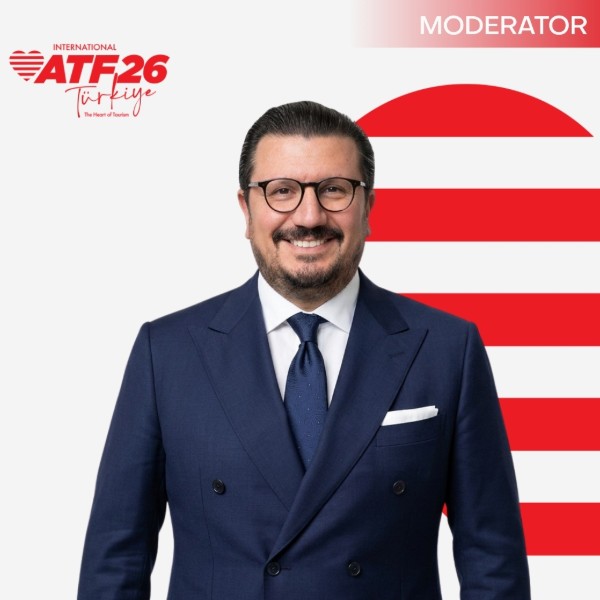
Orhan Genceli Chairman of the Board · GNC Hospitality Management & Consulting moderator

Sermin Akin Türkiye Business Development Director · IHG Hotels & Resorts Speaker
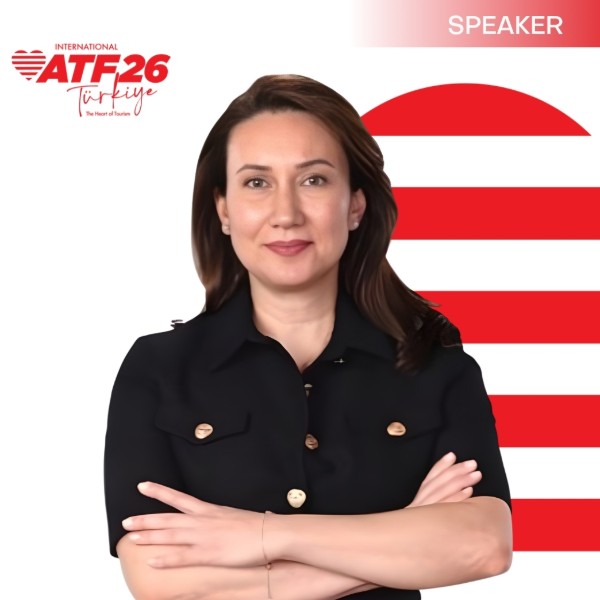
Ozlem Sahin Türkiye Business Development Director · Wyndham Hotels & Resorts Speaker
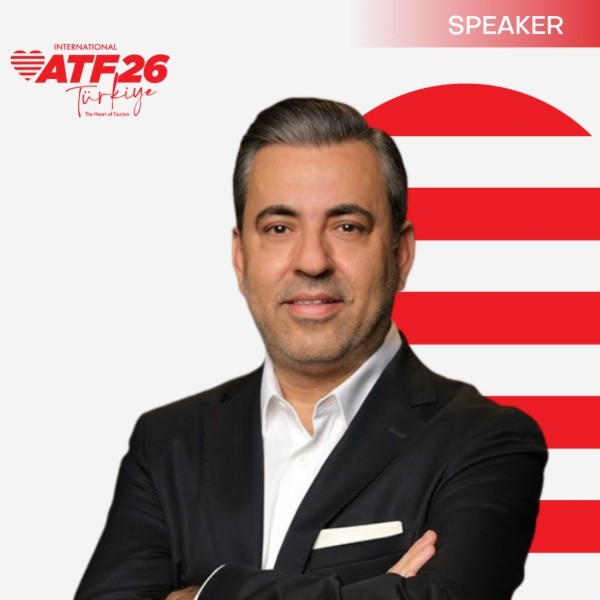
Baran Turkel Director of Development and Franchise Services for Türkiye · Radisson Hotel Group Speaker
Onur Kurç Vice President of Business Development · Accor Speaker
16:55 – 17:15 Managing Isn't Enough: The New Rules of Growth in the Hotel Industry

How can hotels thrive in the changing world of costs, guest expectations, and technology? ABOUT THE PANEL: The hotel industry, with its increasing competition, evolving guest expectations, rising operating costs, digitalization, and new investment models, needs a new growth approach that goes beyond simply maintaining operations. Today, success for hotels requires managing many different dynamics simultaneously, including occupancy rates, correct pricing, revenue management, brand value, guest loyalty, employee productivity, and sustainable profitability. The session, "Managing Isn't Enough: The New Rules of Growth in Hospitality," brings together hotel managers, investors, and industry professionals to discuss ways to grow in a changing competitive environment, next-generation business models, and the strategies needed for sustainable success in the hotel industry. "Keeping a hotel afloat is one thing, building a sustainable growth model to carry it into the future is another; so what are the new rules of the game?" DISCUSSION AND FOCUS QUESTIONS: ● Which management strategies stand out for sustainable growth and profitability in today's hotel industry? ● How can hotels maintain a balance between efficiency and service quality in the face of rising operating costs? ● How are revenue management, dynamic pricing, and data analytics transforming hotel performance and profitability? ● How should hotels redesign their brand value and differentiation strategies while responding to changing guest expectations? ● What opportunities do technology and artificial intelligence offer to reduce costs and increase efficiency in hotel operations? ● How should next-generation hotel career and work models be created in the face of human resource challenges and changing employee expectations? ● How can growth targets in hotel investments be balanced with long-term sustainability, environmental responsibility, and destination needs?

Aykut Aycil Country Sales Manager, Türkiye · HotelRunner Speaker
Day 2 THE BUSINESS MODEL OF TOURISM October 27, 2026 · Tuesday
10:30 – 12:00 ATF STARTUP HUB: The Future of Tourism Technologies

How are technologies that solve the real problems of tourism today shaping the future of the sector? ABOUT THE PANEL: The digital transformation of the tourism sector brings with it a broad innovation ecosystem, from artificial intelligence and automation to guest experience, revenue management, data technologies, and sustainability solutions. ATF26 Startup Hub brings together startups that develop solutions from a technology and entrepreneurship perspective for the different needs of the tourism sector, enabling innovative ideas to meet with industry professionals. This session examines the solutions developed by tourism technology startups operating in different fields, how they approach the problems faced by the sector, and how they can create measurable value for tourism businesses. In this session, where different topics such as artificial intelligence, automation, data, guest experience, revenue management, distribution, operational efficiency, and sustainability will come together on the same stage, the connection between technology startups and the real needs of the tourism sector is revealed with the "Innovation Meets Industry" approach. "Which real problem of the sector is the technology that will change the future of tourism solving today?" DISCUSSION AND FOCUS QUESTIONS: ● What problem in the tourism sector does your startup solve, and why do you consider this problem important? ● What aspects of a tourism business's daily operations does your technology or solution make easier, faster, or more efficient? ● How can the measurable value your solution creates for tourism businesses be demonstrated? ● What processes in the tourism sector do artificial intelligence, automation, and data technologies have the potential to transform? ● How can the adaptability of technologies developed by startups be ensured for different tourism stakeholders such as hotels, travel agencies, tour operators, airlines, and DMCs? ● How should businesses strike a balance between "being innovative" and "solving a real need" when making technology purchasing decisions in the tourism sector?

Chexta The impact of artificial intelligence on the industry. Speaker
DIGINOVA It only takes 5 minutes to turn any camera into a smart one! Speaker
Ena Innovation Next-Generation Quality and Performance Management in Hotels: Smart Facility and Experience Platform with ENA Feedback Speaker
Europolitika Geopolitical Risk Analysis and Employee-Focused Digital HR Solutions in Tourism Speaker
HOMESBERG Growing in a shrinking market: The era of professionalization in short-term rentals. Speaker
HotelAI Türkiye's First AI-Powered Self Check-in and Concierge Terminal Speaker
Metriqore Not All Guest Feedback Is the Same: From Noise to Real Signal Speaker
MAVA AI Next-Generation Procurement Management in Tourism with Artificial Intelligence Speaker
Rehber Sepeti Digital Transformation of Tourism with Artificial Intelligence: Smart Cities, Local Businesses, and Personalized Travel Experiences Speaker
Teyna Solution Partner Integrated Digital Management for Hospitality Businesses: Mükemmelos Speaker
Yexii Sport Yazılım Ve Ticaret A.Ş. Self-Service SUP Board Rental Vending Machine Speaker
Voice Resort -World Wave Tourism AI-Powered Hotel Operations and Customer Satisfaction System Speaker
Qure Technology Effective communication and automated workflows for maximum efficiency in tourism. Speaker
10:30 – 10:45 Future Perspectives in Turkish Tourism
Nadir Alpaslan Deputy Minister of Culture and Tourism Speaker
10:45 – 11:25 CEO LEADERS INTERVIEW: LEADING IN UNCERTAINTY

How do tourism leaders maintain growth and quality in the face of crises, economic fluctuations, and changing market dynamics? ABOUT THE PANEL: The global and regional tourism industry frequently faces periods of uncertainty triggered by economic fluctuations, geopolitical shifts, and changing consumer expectations. For Türkiye’s tourism leaders, overcoming these challenges requires more than just adaptation; it requires strong leadership, resilience, and strategic foresight. How do senior executives maintain operational excellence and premium quality during times of crisis? What strategies are being implemented to secure the future of Türkiye’s resort and hospitality investments? How do industry leaders strike a balance between short-term shocks and long-term growth? This session brings together the visionaries behind the country’s most successful hotel brands and investments to discuss their leadership strategies during times of uncertainty and how they are shaping the future of the industry. DISCUSSION AND FOCUS QUESTIONS: • What are the most pressing uncertainties currently facing the Turkish and global tourism sector? • How do you adapt your investment and growth strategies in a volatile market? • How can the A+ accommodation segment maintain its competitive advantage and service quality under economic pressures? What are the most important lessons learned from recent sectoral crises?

Osman Ayık Chairman of the Board · Champion Holiday Village moderator
Hediye Güral Gür Chairman of the Board · NG Hotels Speaker
Muzaffer Aygün Chairman of the Board · Titanic Hotels Speaker
Tolga Kilit Board Member · Kilit Group Speaker
Dimitris Manikis President · Wyndham EMEA Speaker
11:30 – 12:10 EUROPE: STABILITY, GROWTH, OR STAGNATION?

How will changing demand, dynamic packing, and new distribution models shape the future of tourist flows from Europe? ABOUT THE PANEL: Europe remains a cornerstone of global holiday tourism, but the landscape of the continent's outbound tourism market is changing. With economic pressures, evolving consumer booking habits, and the rapid rise of dynamic packing, what does the future hold for European travel? Will the upcoming seasons bring stability, explosive growth, or market stagnation? The distribution giants driving the sector—leading tour operators, travel groups, and bed banks—are at the heart of this transformation. This panel brings together the biggest players controlling the flow of European tourists to discuss how they are adapting their strategies, managing capacity, and increasing demand. DISCUSSION AND FOCUS QUESTIONS: • Stability, growth, or stagnation: Which trend best defines the European outbound tourism market right now? • How are distribution giants shaping their demand forecasts for the upcoming summer season? • How is dynamic packing changing the traditional tour operator model? • What strategies are being used to combat inflation and rising costs for the end consumer? • How are early booking trends changing across different European source markets (UK, Germany, Eastern Europe)? • What do European tour operators expect from destination and hotel partners to ensure mutual growth? "Who will lead the European distribution network in the new era of travel?""

Andres Omer Heyes President · SKAL moderator
Dennis Schrahe CEO · Alltours Speaker
Jon Wormald Chief Financial Officer · On the Beach Speaker
Mark Nueschen CCO · W2M Speaker
12:00 – 12:20 From Experiential Learning to Organizational Learning in Tourism

FROM EXPERIENTIAL LEARNING TO ORGANIZATIONAL LEARNING IN TOURISM: How do learned outcomes translate into employee behavior, and how does employee experience transform into the organization's collective learning? ABOUT THE SESSION: In tourism, service quality is shaped by the daily decisions employees make, from the first contact with a guest to addressing a request or complaint. Training contributes to this experience when what is learned can be applied in the workplace and integrated into the collaborative work of teams. In this interactive session, Dr. Nisa Akın and Mustafa Erdoğan will discuss how training in tourism translates into behavior and how individual learning spreads throughout the organization. Participants will engage in a short learning experience; the role of application, feedback, managerial support, and daily learning habits within the hotel will be shared through research findings and industry examples. Truakademi's learning architecture, which combines training, research, and technology, will be discussed as an example of this approach in practice. FOCUS QUESTIONS OF THE SESSION: • Why don't trainings in tourism always translate into expected service behaviors? • What changes should be made to training methods to support the learning of employees who have direct contact with guests? • How do experience, reflection, application, and feedback support the transfer of learned knowledge to the workplace? • Why doesn't a behavior developed in one employee spread throughout the entire hotel? • How can daily practices, team habits, and management systems strengthen organizational learning? • How can corporate academies contribute to service quality when training, research, and technology are designed together?

Mustafa Erdoğan Instructor · Truakademi Speaker
Nisa Akın Instructor · Truakademi Speaker
12:15 – 12:45 Hospitality Intelligence: The New Architecture of Global Travel Distribution

How will AI, digital channels, and the evolving customer journey reshape the future of global travel distribution? ABOUT THE PANEL: The global travel and hospitality industry is undergoing a radical transformation driven by digitalization, AI, changing consumer behavior, and new distribution channels. From how hotels and hospitality brands reach their guests to booking processes, pricing, and personalized experiences, the traditional structure of travel distribution is being reshaped. The Hospitality Intelligence: The New Architecture of Global Travel Distribution session brings together hotels, online travel platforms, technology companies, distribution experts, and industry leaders to discuss the new architecture of global travel distribution, the role of AI in the industry, direct sales strategies, and the evolving customer journey. “How will AI and next-generation distribution technologies redesign the entire customer journey, from travel discovery to booking?” DISCUSSION AND FOCUS QUESTIONS: ● How are AI and next-generation digital distribution channels changing the way hotels reach and book guests? ● How will the future distribution balance be shaped among OTAs, metasearch platforms, direct booking channels, and emerging digital players? ● What strategies should hotels develop to strengthen direct sales and guest loyalty in the face of rising distribution costs? ● What new opportunities does AI-powered personalization offer the industry in connecting the right guest with the right experience at the right time? ● How are big data, automation, and predictive technologies transforming pricing, inventory, and revenue management? ● How will collaboration between hotel brands, technology companies, and distribution platforms be redefined in the future travel ecosystem?

Arzu Alsan Harley CEO and Founder · Holidaymine moderator
Simone Large Head of Direct Supply · Emerging Travel Group Speaker
Mustafa Korkmaz CEO · jumbOnline (a tbo.com Company) Speaker
Mark Nueschen CCO · W2M Speaker
12:20 – 12:35 Antalya Technopark's Vision in Tourism Technologies
Dr. Ibrahim Yavuz General Manager of Antalya Technopark Speaker
12:40 – 13:10 ANTALYA TECHNOPARK: Investing in Tourism Technologies: What Startups Are Investors Looking For? ATF Youth

How will technology startups that solve real problems in tourism get on investors' radar and shape the future of the sector? ABOUT THE PANEL: As the tourism sector rapidly transforms with artificial intelligence, big data, automation, digital payment systems, smart hotel technologies, and next-generation travel platforms, this transformation is also increasing investment opportunities for tourism technologies. In this era where traditional tourism models are being redesigned with technology, investors are looking not only for innovative ideas but also for scalable, sustainable startups that offer solutions to a real problem in the sector. This session brings together investment trends in the tourism technology ecosystem, the criteria investors look for in startups, and the technology areas that will shape the future of travel experience, and examines new investment opportunities between the world of tourism and entrepreneurship. “What kind of problem should a technology startup that will change the future of tourism solve, and how should it get on investors' radar?” DISCUSSION AND FOCUS QUESTIONS: ● Which technology areas and startup models are attracting the most interest from investors in tourism technologies today? ● What criteria should a tourism technology startup meet in terms of scalability, technology, revenue model, and market potential to receive investment? ● In which areas are the new investment opportunities created by artificial intelligence, big data, and automation in the tourism sector concentrated? ● Why are B2B tourism technologies, which offer solutions to the real problems of hotels, travel agencies, and destinations, becoming increasingly important? ● How is the expectation of rapid growth in tourism ventures balanced with the operational realities of the sector from the perspective of investors? ● Which opportunity areas stand out for entrepreneurs and investors in Türkiye's tourism technology ecosystem? ● What needs will investable technology ventures that will shape the future of the tourism sector address?

Işık Yargın Head of Entrepreneurship Desk · ANSİAD moderator
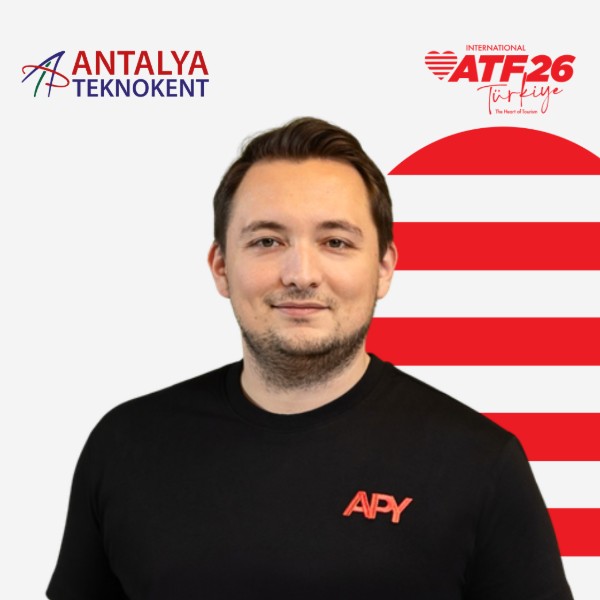
Ege YILMAZ APY Ventures · Investment Associate Speaker
Mehmet Urcu Board Member · TRAngels Inc. Speaker
Yiğit Pala Managing Director · Jas AI Speaker
12:50 – 13:20 Egypt and the Eastern Mediterranean: New Investments, New Markets, and Regional Collaborations in Tourism

New Investments, New Markets, and Regional Collaborations in Tourism: The Egypt and Eastern Mediterranean Perspective PANEL INTRODUCTION In a period of accelerating tourism investments, the rise of new destinations, and the reshaping of international travel markets, what opportunities stand out in Egypt and the Eastern Mediterranean? How do investors, hotel groups, airlines, and tour operators assess the changing competitive conditions and regional cooperation opportunities? ABOUT THE PANEL Changing investment trends in global tourism, the search for new markets, and regional collaborations are shaping the future of the sector. Egypt's accelerated tourism investments and increasing accommodation capacity in recent years are bringing the balance of competition and cooperation in the Eastern Mediterranean back to the forefront. These developments not only create new destination opportunities but also affect different areas of the tourism economy, from hotel investments to aviation, from tour operators to international distribution channels. In this panel, which will be held within the scope of ATF Turkey 2026, international executives representing different areas of the sector will evaluate the investment potential of Egyptian and regional tourism, commercial partnerships that can be developed with Turkey, new source markets, and future growth strategies. Beyond destination promotion, the panel will provide a platform for discussing opportunities, competitive conditions, and areas of cooperation regarding the future of regional tourism. MODERATOR Dr. Yousry El Sharkawy, President of the Africa-Egypt Business Association SPEAKERS Erkan Yıldırım, CEO of Rixos Egypt Hussein Sherif, Founder and CEO of Air Cairo Kadir Uğur, Founder of Bentour DISCUSSION AND FOCUS QUESTIONS 1. New Investment Balances: How are accelerating tourism investments in Egypt changing the investment and competitive landscape in the Eastern Mediterranean? 2. Turkey-Egypt Cooperation: What new partnership opportunities exist in Egypt for Turkish tourism investors, hotel groups, and tour operators? 3. Accommodation Investments and Growth: How can new hotel investments and capacity increases be transformed into sustainable and profitable growth? 4. Aviation and Destination Access: How are new flight connections and airline investments affecting regional tourism mobility and market diversification? 5. Tour Operators and Source Markets: What opportunities and risks does changing demand in international markets, especially in Europe, bring for strong holiday destinations like Turkey and Egypt? 6. Competition or Cooperation? Are Turkey and Egypt rivals in international tourism, or are they two strategic forces that can create a larger market together? 7. New Business Partnerships: How can new business models that can be developed between hotel groups, airlines, and tour operators contribute to regional tourism trade? 8. The Tourism Model of the Future: What will be the most important investment, market, and business model changes that will determine the region's tourism economy in the next five years? PANEL FORMAT Total Duration: 30 Minutes * 5 minutes: Moderator's opening and general framework * 10 minutes: Investments, growth, and regional opportunities * 10 minutes: Aviation, tour operators, competition, and collaborations * 5 minutes: Shared future vision and closing The panel will be conducted in a dynamic discussion format, moderated by the moderator, based on mutual evaluations and exchange of views among all speakers.

Dr. Yousrey El-Sharkawi President · EABA moderator
Erkan Yıldırım CEO · Rixos Egypt Speaker
Hussein Sherif Fahmi Chairman & CEO · AIR CAIRO Speaker
13:15 – 13:55 ANTALYA TECHNOPARK: What Changes Is Artificial Intelligence Really Making in the Tourism Sector?

Will artificial intelligence (AI) merely speed up operations in hotels, or will it redefine the entire way of doing business, from sales to operations and guest experience? ABOUT THE PANEL: AI is becoming more than just a new technology in the hospitality industry; it's transforming the sector's way of doing business, from sales and revenue management to operations and guest experience. AI is creating new opportunities in areas such as automating booking processes, demand and price forecasting, personalized guest experiences, operational efficiency, and data-driven decision-making, making it increasingly important for hotels to understand how and where to use this technology. The TECHNOPARK: What is AI Really Changing in the Hospitality Industry? session brings together technology experts, hotel managers, and industry professionals to discuss which processes AI is truly changing in the hospitality industry, in which areas it is creating tangible value, and how it will shape the future of hotel operations. The question is: "Is AI truly changing the rules of the game in the hospitality industry, or is it just a new tool that makes existing processes faster?" DISCUSSION AND FOCUS QUESTIONS: ● In which processes is artificial intelligence making a tangible and measurable difference in the hospitality industry today? ● How can artificial intelligence change hotel performance in revenue management, pricing, and demand forecasting? ● What new opportunities do AI-powered systems offer in personalizing the guest experience? ● How should the balance between automation and human touch be struck in bookings, customer service, and operations? ● How can processing the large amount of data hotels possess with artificial intelligence enable more accurate business decisions? ● How will the roles and required competencies of hotel employees change with the widespread adoption of artificial intelligence? ● How should hotels distinguish between “owning the technology” and “solving a real business problem” in their AI investments?

Emrah Kozan Founder, Designer, Instructor · Pixel Academy moderator
Ufuk Peker Founder · Arya AI Speaker
Hasan Yaşar Founder,CO-Founder · Concept Interactive,Trusapien Speaker
Şengül Arıcı Co-Founder · Luwi CTO Speaker
13:25 – 2 PM IF WE CAN'T COMPETE ON PRICE, WHAT'S OUR NEXT MOVE?

How will Turkey transform from a destination powered by price advantage to a tourism powerhouse positioned at the premium through experience, quality, and brand value? ABOUT THE PANEL: For decades, price competition has been one of the biggest drivers for Turkish tourism. However, with rising operational costs, inflation, and a changing global economy, competing solely on price is no longer sustainable; nor is it the target strategy for the future. The sector needs to change course. If we can't (and shouldn't) be the cheapest option, how can we justify higher pricing? The answer lies in service quality, brand prestige, sustainability, destination marketing, and aviation connections. This critical panel brings together leaders of Türkiye's most influential tourism NGOs, major airlines, and key tour operators to discuss strategies for shifting from selling "price" to selling "value, experience, and premium quality." DISCUSSION AND FOCUS QUESTIONS: • How can we effectively transform the perception of Turkey from a "cheap destination" to a "high-value, premium destination"? • With rising hotel and operating costs, what strategies are airlines and tour operators using to maintain capacity and demand? • How can industry associations (AKTOB, TÜROFED, TÜRSAB, etc.) join forces to reposition Türkiye's global brand image? • What is the role of aviation and direct flights in attracting less price-sensitive, high-income tourists? • How can we ensure that the quality of service offered justifies the rising price tags in the European and global markets? • What is the "next big move" for destinations that have lost their absolute price advantage?

Recep Yavuz General Manager · NBK Touristic moderator
Hakan Saatçioğlu President · POYD Speaker
Kaan K. Kavaloğlu AKTOB President · TÜROFED Vice President. Speaker
Emre Gezgin President · Skal International Türkiye Speaker
14:00 – 14:45 From Divisiveness to Cooperation: Integrated Business Strategies That Increase Revenue in Hotels

How will the commercial potential of hotels be reshaped when revenue, marketing, technology, and distribution converge towards the same goal? ABOUT THE PANEL: The Turkish tourism sector is entering a new period of growth with increasing travel demand, intensifying competition, and rapidly changing guest expectations. However, many hotels continue to manage revenue management, marketing, technology, and distribution processes independently, which can lead to the underutilization of commercial opportunities and disconnects in the guest experience. The session, "From Silos to Synergy: How Connected Commercial Strategies Drive Better Revenue for Hotels," addresses how hotels can overcome traditional boundaries between different departments and create connected commercial strategies that encompass the entire travel journey, from guest acquisition and direct bookings to distribution strategies and increasing total revenue. Instead of focusing solely on technology, the session focuses on how the collaboration of people, processes, and decisions can strengthen hotels' commercial performance and sustainable revenue growth. "When revenue, marketing, technology, and distribution move towards the same goal, how much can the true commercial potential of hotels grow?" DISCUSSION AND FOCUS QUESTIONS: ● How do departmental boundaries between revenue management, marketing, technology, and distribution teams affect hotels' commercial performance? ● How can a connected business strategy be created that allows different teams to work towards the same business goal? ● How can a more holistic guest experience be designed throughout the entire journey, from guest acquisition to booking? ● How can hotels establish a balanced strategy with OTAs and other distribution channels while increasing direct bookings? ● What opportunities does the collaboration of people, processes, and technology create in terms of revenue growth and operational efficiency? ● How can data-driven and cross-departmental collaborative decision-making mechanisms improve revenue management and commercial performance? ● How can hotels focus not only on room revenue but also on the total commercial value throughout the entire guest journey in the future?

Erhan Bayraktar Director of Sales · Sojern and RateGain moderator
Batuhan Sahin Revenue Director · Maxx Royal and Voyage Hotels Speaker
Tunahan Dogan Director of Digital Marketing and E-Commerce · Rixos Hotels Speaker
Ozan Yilmaz Founder · OtelOnline Speaker
14:15 – 16:35 ANTALYA TECHNOPARK: TourısTech Incubation Center: Demoday

TourisTech Incubation Center: Demoday PANEL ABOUT: New generation startups emerging at the intersection of tourism and technology are bringing innovative solutions that shape the future of the sector. TourisTech Incubation Center: Demoday brings together young startups, technology teams, investors, and industry professionals on the same stage, developing solutions from a technology and entrepreneurship perspective for the real needs of the tourism sector. In this special session, where startups directly present their products and technologies on stage, innovative ideas developed in different fields, from artificial intelligence to smart hotel technologies, from travel experience to sustainability solutions, will shed light on the future of the sector. “If the ideas that will change the future of tourism were to emerge today, which technology would become the industry standard of tomorrow?” DEMODAY FOCUS TOPICS: ● Next-generation solutions developed with technology to real problems in the tourism sector ● Applications of artificial intelligence and automation in tourism businesses ● Innovative technology initiatives in hotel, travel, and destination management ● Smart and scalable solutions developed for sustainable tourism ● Startups presenting their products, technologies, and business models to industry professionals ● Investment and scaling opportunities in tourism technologies ● Establishing new collaborations between industry professionals and technology startups

ANSIAD moderator
Pixel Academy moderator
ARYA AI Speaker
APY VENTURES Speaker
LUWI Speaker
JAS AI Speaker
TRANGELS INC. Speaker
TRUSAPIEN CO-FOUNDER Speaker
14:50 – 15:30 WHO IS THE PASSENGER WE HAVEN'T MADE A SALE TO YET? WHO IS OUR NEW HIGH-SPENDING GUEST?

Is it possible to discover yet-to-be-reached passenger segments, attract high-value new guests, and create new growth areas in tourism? ABOUT THE PANEL: Growth in the tourism sector depends not only on attracting more visitors but also on understanding new guest profiles that have not yet been sufficiently reached and developing products that meet their travel motivations. Changing income groups, new generation consumer behaviors, rising travel demand from different geographies, and expectations for personalized experiences are creating new opportunities for destinations and tourism businesses. This session analyzes potential passenger groups that the tourism sector has not yet sufficiently reached, new guest profiles with high spending capacity, and the expectations of these groups; and examines ways to reach the right market with the right product and the right communication. “Who are the passengers we haven’t yet discovered, and what should we change to attract the new generation of guests with high spending potential?” DISCUSSION AND FOCUS QUESTIONS: ● Who are the potential passenger groups that the tourism sector has not yet sufficiently reached, and what are their travel motivations? ● What expectations and experiences does the new generation of guests with high spending potential seek? ● How can tourism destinations and businesses identify and properly segment potential guests in new markets? ● What products should be developed that focus on experience and value, rather than just price and luxury, to attract higher-spending visitors? ● What role do personalization, technology, social media, and digital platforms play in the purchasing decisions of the new generation of travelers? ● What strategies can be developed for new source markets and guest segments that Türkiye has not yet adequately utilized?

Ali Kızıldağ General Manager · Calista Luxury Resort moderator
Evren Oktay COO and Co-Founder · Yuppi Travel Speaker
Cihan Coşkun Tuncel Sales and Business Development Director, Supply · HotelRunner Speaker
Enver Cebi COO and Co-Founder · HalalBooking.com Speaker
Mustafa Türk General Manager · Paximum Speaker
15:35 – 16:15 TURKISH TOURIST: A BALANCING FORCE OR A NEW GAME CHANGER?

Is the Turkish tourist now merely a seasonal stabilizer, or the new growth engine of Turkish tourism? ABOUT THE PANEL: Historically, the domestic travel market in Türkiye was often seen by hoteliers as a "safety net" or stabilizing force to fill capacity during fluctuations in international markets. However, today, the Turkish tourist has transformed into a powerful, high-spending consumer group that sets its own trends, demands premium services, and holds a massive share of the resort and cultural tourism inventory. As domestic OTAs and tour operators rapidly increase their volume and technological capabilities, the rules of the game are changing. Is the domestic tourist still merely filling gaps, or has he become the ultimate game-changer for the Turkish hospitality industry? This panel brings together giants of the Turkish domestic market to discuss the future of domestic demand, pricing strategies in a high-inflation environment, and the changing booking habits of the Turkish tourist. "A resilient tourism industry is built on a strong domestic market foundation." DISCUSSION AND FOCUS QUESTIONS: • How has the purchasing power and booking behavior of the Turkish tourist evolved over the last five years? • Early booking vs. Breaking News: How are local platforms educating local consumers about planning ahead? • How are local tour operators and OTAs coping with inflation, rising costs, and pricing strategies for the domestic market? • In the competition between hotels' direct booking channels and local OTAs, who offers the best value to the Turkish consumer? • How important is the domestic market for the financial sustainability and cash flow of A+ resort hotels? • What are the next big trends in domestic tourism (e.g., cultural tours, gastronomy, weekend getaways)? “Is the domestic market still just a safety net, or has it become the main driver of growth?” or “Unlocking the true purchasing power of the domestic tourist.”.

Deniz Dikkaya Tourism Professional and Radio Presenter moderator
Sedat Kılıç General Manager · Holiday Basket Speaker
Mustafa Kemal Çubuk Assistant General Manager · TatilBudur Speaker
Mert Vardar CEO & Vice Chairman of the Board · Jolly Tur Speaker
Deniz Selen Kılıçözgürler General Manager · Gezinomy Speaker
Serhat Günay Tourism Product Director · Setur Speaker
16:20 – 17:00 CIS OUTLOOK: WHAT'S NEXT IN THE EURASIAN TRAVEL MARKET?

With changing travel habits, new flight networks, and emerging source markets, where will be the new center of Eurasian tourism? ABOUT THE PANEL: The CIS and Eurasian travel market is undergoing a historic transformation. As traditional big players grapple with geopolitical and economic complexities, a new wave of growth is rising from Central Asia and the Caucasus. Countries like Kazakhstan, Uzbekistan, and Azerbaijan are rapidly transforming from secondary source markets to major tourism powerhouses. How are major tour operators adjusting their capacity and flight networks to adapt to this new reality? What are the new demands of Eurasian travelers? This panel brings together major tour operators controlling the region's tourist flow, leading DMCs, and tourism authorities from emerging Eurasian countries to chart the future of the CIS outbound travel market. DISCUSSION AND FOCUS QUESTIONS: • How are geopolitical shifts and aviation restrictions reshaping the traditional CIS outbound market? • Which emerging Eurasian markets (such as Kazakhstan, Uzbekistan, and Azerbaijan) hold the greatest growth potential in the next five years? • How are major tour operators restructuring their operational centers and flight capacities? • What are the changing preferences of the new generation of CIS and Eurasian travelers regarding luxury, length of stay, and destination? • How can destinations and hoteliers better customize their services to suit the diverse cultural and economic profiles of these emerging markets?

Sezgin Özer Founder and Chairman · Time Service moderator
Oğuz Ergül General Manager · Fun&Sun Speaker
Orhan Sancar General Manager · Pegas Touristik Speaker
Aykut Işık Join Up Group CCO · Join Up Speaker
16:40 – 17:20 Youth Employment and the Next Generation of Work, from the Perspective of Leaders.

What skills should young people aiming for a career in the tourism sector develop to stand out in the changing business world and become future leaders? ABOUT THE PANEL The tourism sector offers new career opportunities for young professionals with changing guest expectations, digitalization, new generation work models, and evolving human resources needs. Success in the sector is closely related not only to professional knowledge but also to the development of skills such as communication, problem-solving, teamwork, adaptability, and leadership. The panel, “Youth Employment and the New Generation of Working Life from the Perspective of Leaders,” addresses the professional development processes, career paths, and the expectations of the business world from the new generation for young people who want to pursue a career in the tourism sector. Based on the experiences of sector leaders, it will evaluate how young people can direct their careers, how they can develop the necessary skills, and how they can prepare for the opportunities and challenges they may encounter in professional life. The session will also focus on the alignment between the career expectations of young employees and the needs of employers, the process of preparing for the leadership journey, and the roles that tourism businesses can undertake to attract and develop young talent in the sector. “What should be done to ensure that young people not only start working in the tourism sector but also develop and reach leadership positions?” DISCUSSION AND FOCUS QUESTIONS ● What knowledge, skills, and competencies should young people prioritize when pursuing a career in the tourism sector? ● What characteristics and potential indicators do employers prioritize when hiring young talent? ● What role do experience, education, and foreign language skills play in career advancement within the tourism sector? ● How are young employees' expectations from their work life changing, and how is this change reflected in employers' working models? ● What steps should young professionals take to overcome the challenges they face in the early years of their careers and accelerate their professional development? ● What can tourism businesses do to attract young talent to the sector, increase employee engagement, and offer long-term career opportunities? ● How can mentoring, in-house training, and practical experiences contribute to the development of young people's leadership skills? ● How will technological transformation and artificial intelligence change the roles and competencies needed by young employees in the tourism sector? ● What kind of development path should organizations create to prepare young professionals for management and leadership positions? ● What would be the most important advice you would give to a young person starting a career in the tourism industry today, to help them achieve long-term success?

Ercan Çek Speaker
Ercan Yavaş ANTGIAD Speaker
Dr. Nurhak Akbudak General Manager · Crowne Plaza Antalya Speaker
Dilek Ozal Emir Hotels Group HR Manager · INKAY Association Board Member Speaker
17:05 – 17:20 Agentic Commerce in Tourism - Trade in Tourism with Artificial Intelligence Agents

So how ready is the tourism sector for this change? ABOUT THE PANEL Tourism and travel are among the categories where people ask the most questions about artificial intelligence. However, AI is now transforming from a system that only offers suggestions to one that also handles transactions and reservations. For many years, we designed our websites for people. Now, the first visitor to a site will often be an AI agent. For these agents, a simple, fast, and readable infrastructure will become more important than aesthetics. In this new world, we need to talk about GEO (Generative Engine Optimization) alongside SEO. While the fintech world discusses autonomous payments and the transactions that AI agents will perform, the tourism sector is also at the center of this transformation. So how ready is the tourism sector for this change? DISCUSSION AND FOCUS QUESTIONS - Are GEO and SEO the same thing? What are the fundamental differences between them, and how should the tourism sector prepare for this new era? - Why is tourism a priority sector in this regard? How will AI agents change travel planning, hotel selection, and reservation processes?

Riza Doruk Ercan Co-founder and CEO · Trusapien Speaker
Day 3 THE FUTURE IS TAKING THE STAGE. October 28, 2026 · Wednesday
10:30 – 11:00 The Jobs of the Future and Artificial Intelligence: “Will AI Take Our Jobs or Empower Our Careers?”

As AI transforms jobs and working methods in the tourism sector, how can employees adapt to this change and strengthen their careers? ABOUT THE PANEL Artificial intelligence and digital technologies are reshaping working methods in many areas of the tourism sector, from operations to sales and marketing, revenue management to guest experience. While automation and intelligent systems are taking over some tasks, new areas of expertise, different job profiles, and evolving skill needs are also emerging. This transformation necessitates a reassessment of employees' future roles, career development, and professional skills. The session, “The Jobs of the Future and AI: Will AI Take Our Jobs or Strengthen Our Careers?”, addresses the impact of AI on employment in the tourism sector, changing professions, and the future of work. The panel will evaluate how technological transformation is changing employees' responsibilities, which new skills are gaining importance, and how employees can turn AI into a tool to advance their careers. The session will also discuss how tourism businesses can develop their human resources while adapting to digital transformation, how employees can take on more value-added roles with technology, and the role of education and professional development in this process. “In the age of artificial intelligence, will career success be determined by competing with technology or by learning to use it effectively?” DISCUSSION AND FOCUS QUESTIONS ● Which tasks and professions are being transformed by artificial intelligence in the tourism sector, and which new career fields are being created? ● How will the widespread adoption of automation in hotel, travel, and tourism services change the daily responsibilities of employees? ● What competencies will stand out in future tourism professionals, such as digital literacy, data analysis, creativity, communication, and problem-solving? ● How can employees increase their productivity and professional value by using artificial intelligence tools? ● What approach should employees and employers take regarding job security and career development in the face of artificial intelligence automating certain tasks? ● Which training and development programs should tourism businesses prioritize to prepare their employees for artificial intelligence and digital transformation? ● How important will skills like human touch, empathy, creativity, and personalized service be in the age of artificial intelligence? ● How can educational institutions and tourism businesses collaborate to develop competencies for the jobs of the future? ● How can AI-powered work models change career opportunities and entry routes for young people in the tourism sector? ● What will be the most important steps someone who wants to work in the tourism sector in the next 3-5 years should take to prepare their career for the future?

Timuçin Diş Senior Strategic Hospitality Consultant · HRMIM moderator
Prof. Dr. Beykan Çizel Mediterranean University Speaker
Dr. Ertan Beceren, Assistant Professor Suleyman Demirel University Speaker
Mert Efe Sevim Assistant Incubation Director · Science University Speaker
Murat Yeşiltaş Dean · Burdur Faculty of Tourism Speaker
Tugce Yolalan Bas MTS Globe Türkiye Head of Human Resources · INKAY Association Board Member Speaker
11:00 – 11:35 YOUNG TRAVELERS WHO SHAPE THE ROUTE (TRAVEL INFLUENCERS PANEL) ATF Youth

How are young travelers, social media, and content creators shaping the future of destinations? ABOUT THE PANEL: In this new era where travel decisions are increasingly shaped by digital content, social media trends, and personal experiences, young travelers play a significant role in the visibility and preference for destinations. Travel influencers not only promote the places they visit; they also influence the discovery of new routes, the formation of travel trends, and the reshaping of destination perception. The "Young Travelers Who Determine the Route" panel brings together travel influencers, content creators, and industry professionals to discuss how young travelers shape travel decisions, the transforming role of social media in destination marketing, and future travel trends. "If we are no longer looking to guidebooks to discover a destination, but to screens followed by millions, who is really determining the route?" DISCUSSION AND FOCUS QUESTIONS: ● How decisive are TikTok, Instagram, YouTube, and other social media platforms in young travelers' destination choices? ● How do travel influencers popularize undiscovered destinations and alternative routes? ● How can viral travel content change a destination's brand perception and visitor demand? ● How effective are authentic experiences, local culture, gastronomy, and sustainability in the travel preferences of young travelers? ● How can destinations and tourism brands create more effective models in influencer collaborations that convert reach into actual visitors and revenue? ● How should content credibility, transparency, and the balance between advertising and organic content be maintained in the face of the increasing influence of influencers?

Burcu Topcu Ekelik Professional Coach - ATC | Trainer, Consultant moderator
Hüseyin Fırat Lawyer Speaker
Selin Baytaroğlu Solo Traveler Speaker
11:40 – 12:15 The Crossroads of Generations: Two Generations, One Sector, One Future ATF Youth

When the experience of the tourism industry meets the expectations of the new generation on the same stage, how will the future of the sector be shaped? ABOUT THE PANEL: The experience that manages tourism today and the new generation that will manage it tomorrow are on the same stage. Generation Face-Off is not about pitting experienced professionals from the sector against young people at the beginning of their careers, but about bringing them together around the same questions; it is an intergenerational dialogue. While seniors share their years of experience, industry realities, and what they have learned so far, young people share their expectations, criticisms, and perspectives on the future. The aim is not to answer the question of "which generation is right?", but to show how the future of tourism can be built together by the two generations. DISCUSSION AND FOCUS QUESTIONS: ● Why are young people moving away from tourism? Is the problem in the expectations of young people or in the work culture offered by the sector? ● Do seniors really understand today's youth? How much have the expectations of the new generation regarding work, career, freedom, salary, and life balance changed? ● What do seniors not see in the young people's perspective on the sector? What would young people like to change in the tourism sector today? ● What should young people learn from the experience of seniors? Can technology and new ideas replace years of industry experience? ● Has the perception of careers changed? Is advancing in the same sector for 20-30 years still a meaningful goal for young people? ● What should tourism offer young people? Just a job and a salary, or development, international experience, mobility, and a lifestyle? ● What would be a single message from seniors to young people, and from young people to seniors? FINAL QUESTION: “In 2035, today's young people will be running tourism. What kind of sector are we leaving them?”

H. Cüneyt Kuru General Manager, Senior Hotel · Vice President, Skål National Committee of Türkiye moderator
Akın Okyay General Secretary, Skål National Committee of Türkiye · Vice President, Petrokent Turizm A.Ş. Speaker
Güner Güney General Manager, Ramada Encore by Wyndham İzmir · Board Member, Skål National Committee of Türkiye Speaker
Erdoğan Turan President, Skål International Antalya · Managing Partner, Med Hospitality & Consulting Speaker
Gizem Duran Senior Growth Marketing Manager · Paloma Group Hotels Speaker
Berkay Güney Student · Hacettepe University Speaker
Mert Briann Özerol Student · Hacettepe University Speaker
12:00 – 13:00 FUTURE PICTURE WORKSHOP

ABOUT THE WORKSHOP Is it possible to not only observe but also imagine, question, and design the future of tourism? Future Picture Antalya 2036 is a creative future design workshop structured with a coaching approach, centering young people as active individuals shaping the future of tourism. Participants explore the needs and problems of future tourism by imagining the holiday experience 10 years from now, and develop innovative solutions to the problems they identify. In the process, conducted individually or in teams, they make their thoughts about the future visible by concretizing their ideas through painting, collage, or prototypes. While the workshop allows young people to experience creative thinking, empathy, problem-solving, and collaborative production skills, tourism professionals and sector representatives can also accompany this design journey with different perspectives. The works created at the end of the studies are transformed into an exhibition that will be presented to visitors. Each work tells the story of the chosen tourism problem, the proposed solution for 2036, and the first step that can be taken today. WORKSHOP FLOW Duration Stage Content 00–05 min. Contract Welcome, explanation of the purpose and working method of the workshop 05–12 min. Explore: Imagine the holiday experience of 2036 (12–22 min). Inquire: Identify the problems and needs of the future of tourism (22–30 min). Generate Ideas: Develop alternative solutions and choose a solution (30–50 min). Design: Materialize the chosen idea with a drawing, collage, or prototype (50–60 min). Exhibit and Action Pieces: Display the works; share the solution and the first step that can be taken today. OUTCOME OF THE EXPERIENCE: ANTALYA 2036 THROUGH THE EYES OF YOUNG PEOPLE. At the end of the workshop, the ideas, solution proposals, and visual works of young people regarding the future of tourism come together to form a living exhibition. This exhibition makes visible the perspectives of young people on the future of tourism, while also offering visitors the opportunity to explore the holiday experience of 2036 through the imagination of young people. OBJECTIVES AND EXPECTED OUTCOMES: To develop young people's creative thinking, empathy, problem-solving, and collaborative production skills. To generate innovative and concrete solution ideas for the holiday experience of 2036. To bring ideas to life through visual works or prototypes. To connect young people's proposals with industry representatives and fair visitors. To make the youth perspective on the future of tourism visible and shareable.

12:20 – 12:55 CHECK-IN TO THE FUTURE: NEW GENERATION CAREERS IN TOURISM ATF Youth

Who will stand out in the future of tourism? How will the new generation of talent reshape the sector and career understanding? ABOUT THE PANEL: The tourism sector is reshaping not only the concept of service but also the world of careers with digitalization, artificial intelligence, automation, changing guest expectations, and new business models. Alongside traditional hotel and travel professions, new areas of expertise such as tourism technologies, digital marketing, data analytics, sustainability, experience design, and content creation are becoming increasingly important in the future of the sector. The "Check-in to the Future: New Generation Careers in Tourism" session brings together sector professionals, young talents, educators, and human resources leaders to discuss the changing competency needs, new career opportunities, and the future employee profile in tourism. "Is simply knowing the sector enough to succeed in the future of tourism, or do the new generation of talents need completely different skills?" DISCUSSION AND FOCUS QUESTIONS: ● What new professions and career fields are artificial intelligence, automation, and digitalization creating in the tourism sector? ● What technical and personal competencies will stand out in future tourism professionals, in addition to industry knowledge? ● What should be done to increase young people's motivation to pursue careers in the tourism sector and attract new generation talent? ● How should hotels and tourism companies redesign employee experience and career development in the changing business world? ● What new models can be developed to strengthen the education-employment fit between universities and the tourism sector? ● Is a career in tourism now limited only to hotel and travel operations? How are fields such as technology, data, content, sustainability, and experience design creating new career paths?

Makbule Dere Business Development | Corporate Training moderator
Yavuz Sultan Selim Şaylan Chairman of the Board · İNKAY Speaker
Mehmet Eyol Group Information Technology Director · Emir Hotels Speaker
Aydın Seçkin CTO / Group Information Technology Director · Kirman Premium Speaker
13:00 – 13:35 Deniz Dikkaya: Let's Talk Tourism ATF Youth

How is the agenda of Turkish tourism being reshaped by changing travelers, new destinations, and a new understanding of travel? ABOUT THE PANEL: Tourism is a constantly transforming sector, shaped simultaneously by many different dynamics, from destinations and hotels to travel experiences, gastronomy, digital content, and new-generation consumer behavior. The "Let's Talk About Tourism" session, hosted by Deniz Dikkaya, addresses the current state of tourism, the changes in the sector, and future expectations in a sincere and dynamic conversational format. This meeting will cover various topics, from current issues in the sector to changing tourist profiles, travel trends, and the future of destinations, offering a direct and straightforward perspective on what is truly changing tourism. "What is really changing tourism: the changing traveler, the changing destinations, or our changing understanding of travel?" DISCUSSION AND FOCUS QUESTIONS: ● What are the most important changes and new trends shaping the present state of Turkish tourism? ● How are the expectations and travel habits of the new generation of travelers transforming the tourism sector? ● Which stories and experiences should we highlight when showcasing Türkiye's diverse destinations to the world? ● How do social media and digital content creators influence travel decisions and destination perception? ● What are the new markets, experiences, and tourism products that have growth potential for Turkish tourism in the coming period?

Deniz Dikkaya Tourism Professional and Radio Presenter Speaker
13:00 – 2 PM ARTIFICIAL INTELLIGENCE AND CUSTOMER EXPERIENCE FROM THE PERSPECTIVE OF YOUNG PEOPLE

How much can AI personalize the travel experience for young travelers, and can it truly replace the human touch? ABOUT THE PANEL As AI reshapes the customer experience in tourism and hospitality from pre-booking to post-stay, one of the most important actors in this transformation is the young generation, who have grown up immersed in the digital world. From personalized recommendations to rapid communication, from smart booking systems to experience design, AI-powered solutions are transforming the expectations of young travelers and their relationship with brands. The "Customer Experience with AI from the Perspective of Young People" session aims to help participants explore the impact of AI on customer experience in the tourism sector, develop innovative and personalized service solutions, and generate creative ideas. In this application-oriented session, participants will design the next-generation guest experience of the future through prompt design and collaborative idea development, transforming it into a shared manifesto reflecting the perspective of young people. PROGRAM FLOW Duration Content 10 min. Understanding Customer Experience in Tourism 15 min. Creating Experience Architecture with AI 25 min. Designing Innovative Guest Experiences 10 min. AI-Powered Future Guest Experience Manifesto from the Perspective of Young People IMPLEMENTATION STEPS 1. Design a Prompt Together A common prompt architecture is created that all participants can use. ↓ 2. Improve Guest Experience Each participant identifies a problem and develops an innovative solution to this problem. ↓ 3. Shared Ideas The developed solutions are combined under the principles of shared experience. ↓ 4. Announce the Future Guest Experience Manifesto A shared vision of AI-supported tourism from the perspective of young people is presented. ACHIEVEMENTS Participants develop AI and prompt design skills and produce innovative solutions to improve guest experience in tourism. While strengthening their problem-solving, creative thinking, and experience design competencies, they contribute to the future of tourism by transforming their ideas into a common manifesto.

Mahmut Dabbit Strategy and Business Development Specialist | ICF Mentor Speaker
13:40 – 14:15 YOUNG ENTREPRENEURS IN TOURISM: SUCCESS IS OURS, SO ARE THE MISTAKES! ATF Youth

How do young entrepreneurs transform the challenges of tourism into opportunities, and how do they learn from their mistakes on the road to success? ABOUT THE PANEL: The tourism sector is undergoing a new transformation period with young entrepreneurs' new ideas, technology-driven business models, and innovative approaches to changing consumer expectations. Young entrepreneurs are not only establishing new brands and businesses in the sector; they are also reinterpreting traditional business models in areas such as accommodation, travel, gastronomy, experience, technology, and destination management. The "Young Entrepreneurs in Tourism: Success and Mistakes Are Ours!" session brings together young entrepreneurs, sector professionals, and investors to discuss the realities of the entrepreneurial journey, the challenges encountered, the lessons learned from failures, and new generation business opportunities in tourism from a candid perspective. "Is courage enough to write a new story in tourism, or is learning from mistakes as much a part of entrepreneurship as success?" DISCUSSION AND FOCUS QUESTIONS: ● What challenges can young entrepreneurs turn into opportunities in the tourism sector today? ● How should ideas, capital, technology, and sector experience come together to create a successful business model in tourism entrepreneurship? ● How can mistakes and failures experienced in the entrepreneurial journey be incorporated into a sustainable success model? ● How can fundamental problems faced by young entrepreneurs in the tourism sector, such as financing, human resources, bureaucracy, and market access, be overcome? ● What new opportunities do artificial intelligence, digital platforms, and new consumer behaviors offer to young entrepreneurs? ● What mechanisms should investors, the sector, and the government strengthen to support young people in establishing businesses in the tourism sector in Türkiye?

Mahmut Dabbit Strategy and Business Development Specialist | ICF Mentor moderator
Berkay Yılmaz Entrepreneur Speaker
Derin Topdemir Co-Founder · Heat Interactive Speaker
Atakan Sayın Co-Founder · Lycia AI Speaker
Mehmet Yazıcı Dean of the Faculty of Tourism & Touristech Program Manager · Antalya Science University Speaker
14:20 – 14:40 FOLLOWING THE DREAMS: A GALAXY GUIDE FOR YOUNG PEOPLE WHO WANT TO EXPLORE THE WORLD AND FORGE THEIR OWN PATH.

Following Dreams: Young People's Route to the World ABOUT THE PANEL This session will address opportunities that enable young people to explore the world, from youth exchanges and volunteer programs to international scholarships and global internship opportunities. It will discuss how to overcome obstacles such as "I don't have a budget, my language skills aren't good enough, I don't have experience," and how young people can embark on their own global journeys. DISCUSSION AND FOCUS QUESTIONS ● How can young people access education, volunteering, and youth exchange opportunities abroad without any budget? ● What are the most common mistakes young people make when applying to programs like Erasmus+, ESC, and youth exchanges? ● What funds, scholarships, and support mechanisms can be used to overcome the "I don't have a budget" obstacle? ● Is insufficient language proficiency really an obstacle to applying for international opportunities? ● Where should a young person with no international experience start to seize their first opportunity? ● What opportunities are offered to young people studying tourism in terms of international internships, work, and careers? ● How do volunteering and international youth projects contribute to young people's careers and personal development? ● How can slow travel, Cittaslow, and local culture experiences change the way young people explore the world? ● How can the international networks that young people build with people from different countries translate into future career and life opportunities? ● What should be the first step a young person can take today to open up to the world?

DR. ZEYNEP TUĞÇE ÇİFTÇİBAŞI GÜÇ Mayor · Antalya Metropolitan Municipality Department of Foreign Relations Speaker
14:45 – 15:15 SPORTS TOURISM PANEL ATF Youth

How will sports organizations, young talents, and strong destinations shape Türkiye's new growth area in tourism? ABOUT THE PANEL: The new economic area formed at the intersection of sports and tourism offers broad potential, from destination promotion and increasing off-season demand to international organizations and athlete camps. Turkey, with its climate, natural resources, facility infrastructure, and destinations suitable for different sports, is in a strong position to develop new opportunities in sports tourism. The Sports Tourism Panel brings together young athletes, sports managers, and industry professionals to discuss the contribution of sports organizations to destinations, the role of young people in sports tourism, and Türkiye's potential in the international sports tourism market. “If a sports competition is more than just a race, how can it change the future of a destination and the next generation tourism economy?” DISCUSSION AND FOCUS QUESTIONS: ● How can sports organizations increase the international brand value and tourism visibility of destinations? ● What strategies should be developed for Türkiye to attract new international markets and visitor groups in sports tourism? ● How can sports camps, amateur sports, and youth organizations, in addition to major sporting events, contribute more to tourism? ● How can sports tourism be leveraged to reduce seasonality in tourism and extend the season to 12 months? ● How can the success stories and international careers of young athletes contribute to Türkiye's sports tourism branding? ● How can a stronger collaboration model be established between sports facilities, accommodation infrastructure, and destination management? ● What new experiences and business models might emerge at the intersection of sports, youth, and tourism in the future?

İpek Özgüden Özen Chairman of the Board of Directors of TÜHİD · President of ON Communication Agency moderator
Görkem Dönmez General Manager · Gloria Sports Arena Speaker
Volkan Burak Mumcu Head of Sports Tourism Department · Ministry of Youth and Sports – General Directorate of International Organizations and Foreign Relations Speaker
Mete Gazoz Olympic – World – European Champion Speaker
Elif Berra Gökkır Paris 2024 Olympian Speaker

Yavuz Gürhan Provincial Director · Antalya Youth and Sports Provincial Directorate Speaker
15:20 – 15:40 FROM TRAVELING TO EXPERIENCING

From Visiting to Experiencing: How to Gamify City and History? ABOUT THE PANEL: What is the difference between visiting a city and becoming part of its story? This session will explore how historical sites, streets, and local stories can be transformed into more interactive and participatory tourism experiences through game design. DISCUSSION AND FOCUS QUESTIONS: ● How can we transform a city from a classic sightseeing experience into an experience where the visitor is part of the story? ● How can historical sites and cultural heritage be made more attractive to younger generations through gamification? ● How can games, tasks, exploration, and interactive experiences be used when telling city stories? ● How can local stories and street culture be transformed into digital or physical game experiences for tourists to explore? ● Can gamified tourism experiences encourage visitors to stay longer and spend more in the city? ● What role should local governments, museums, guides, and tourism professionals play in developing such experiences? ● How can technology and artificial intelligence be used to make city exploration more personal, interactive, and story-driven? ● Are future tourists ready to get to know a city not just by seeing it, but by playing, exploring, and experiencing it?

Tuğba Çanşalı CEO · Learning Designs Social Co. Guest
15:45 – 16:15 Discover Your Future in Tourism: A Career Journey in Sales and Marketing

What skills, experiences, and opportunities stand out for building a successful career in sales and marketing in the tourism sector? ABOUT THE PANEL The tourism sector offers diverse career opportunities in sales and marketing, driven by changing guest expectations, digitalization, increasing competition, and new marketing approaches. For professionals working in various areas of the sector, from hotels to travel companies, skills in customer relations, communication, digital marketing, a commercial perspective, and understanding market dynamics are becoming increasingly important. The session, “Discover Your Future in Tourism: A Career Journey in Sales and Marketing,” addresses opportunities for young people who want to pursue a career in sales and marketing in the tourism sector, career development paths, and the experiences of industry professionals. The panel will evaluate key skills, business expectations, and experiences that support professional development, from the initial steps of a career to specialization and management positions. The session will also focus on the role of sales and marketing teams in hotel and tourism companies, the impact of digital tools on business processes, customer relationship management, and the opportunities offered by different career paths. The aim is to help young people discover suitable career fields in the sector and gain insights into the paths they can follow to achieve their goals. “What steps should young people take to start a career in sales and marketing in tourism and reach leadership positions in the future?” DISCUSSION AND FOCUS QUESTIONS ● What are the essential competencies that young people who want to pursue a career in sales and marketing in the tourism sector should develop? ● How do the roles and career opportunities of sales and marketing teams differ in hotel and tourism companies? ● Which positions and development opportunities should young people focus on to gain experience in the early years of their careers? ● How do communication, persuasion, customer relations, and a commercial perspective affect success in sales and marketing? ● How are digital marketing, data analytics, and new technologies transforming sales and marketing roles in the tourism sector? ● What characteristics, skills, and development potential do employers prioritize when hiring young candidates? ● How does gaining experience in different departments in the tourism sector provide an advantage in terms of specialization and advancement to management positions? ● What should young professionals do to build a strong career network in the sector and benefit from mentoring opportunities? ● Why is it important for sales and marketing professionals to continuously improve themselves in the face of changing guest expectations and increasing competition? ● What would be the most important advice you would give to a young person starting a sales and marketing career in the tourism sector?

Tugce Yolalan Bas MTS Globe Türkiye Head of Human Resources · INKAY Association Board Member moderator
Mehtap Atkin Sales and Marketing Manager · Mercure Antalya Belek Speaker
Nur Ugur Business Development Manager · IDA Web Design Speaker
Burak Biyikli Sales and Marketing · Armas Hotels Speaker
16:15 – 16:45 A Foreign Language, A World: How Can We Learn a Foreign Language Effectively?

What methods can be used to make the foreign language learning process more efficient and transform language skills into career opportunities? ABOUT THE PANEL The tourism sector, with its international structure bringing together people from different cultures, stands out as one of the areas where foreign language skills are of great importance. Knowing a foreign language supports not only effective communication with guests but also access to international career opportunities, understanding different cultures, and professional development. Therefore, it is becoming increasingly important for young people, in particular, to adopt the right methods in their foreign language learning processes and to actively use what they learn in their daily lives. The session, “One Foreign Language, One World: How Can We Learn a Foreign Language Effectively?”, addresses the impact of foreign languages on careers in the tourism sector, effective learning methods, and the role of speaking practice in language development. The panel will evaluate the challenges encountered while learning a language, ways to maintain learning motivation, and practical methods that young people can apply in their daily lives. The session will also focus on supporting the foreign language learning process with daily habits, overcoming the fear of making mistakes, and developing language skills in real communication environments, rather than limiting it only to lessons and exams. The aim is to provide young people with a more effective and sustainable learning approach and to reveal how foreign language skills can contribute to their personal and professional development. “When learning a foreign language, is success determined by working harder, or by making the language a part of life using the right methods?” DISCUSSION AND FOCUS QUESTIONS ● How does knowing a foreign language affect career opportunities and professional development in the tourism sector? ● Which methods yield more effective results when learning a new foreign language? ● What methods can be used to incorporate speaking practice into daily life and actively use what has been learned? ● How can the fear of making mistakes and shyness in speaking be overcome when learning a foreign language? ● What can be done to maintain learning motivation in the long term and to make regular study a habit? ● How can TV series, films, music, digital applications, and online content support foreign language development? ● How should a balance be struck between learning grammar and achieving fluent and effective communication? ● What methods can young people use to improve their foreign language skills with limited time and budget? ● How should young people working or aiming to work in the tourism sector prepare to use the foreign language they learn more effectively in their professional lives? ● What advice would you give to a young person who is just starting to learn a foreign language to accelerate their development and make their learning permanent?

Tugce Yolalan Bas MTS Globe Türkiye Head of Human Resources · INKAY Association Board Member moderator
Dr. Çağla McKenzie Erasmus Coordinator,Gastronomy and Culinary Arts · Antalya Bilim University Speaker

Hasan Gok Gastronomy and Culinary Arts Student · Antalya Bilim University Speaker
Ismayil Efe Tokucu Tourism Guidance Student · Akdeniz University Speaker

Zeynep Ergen Tourism Guidance Student · Akdeniz University Speaker
ASK ME
REGISTER

Sent successfully!